

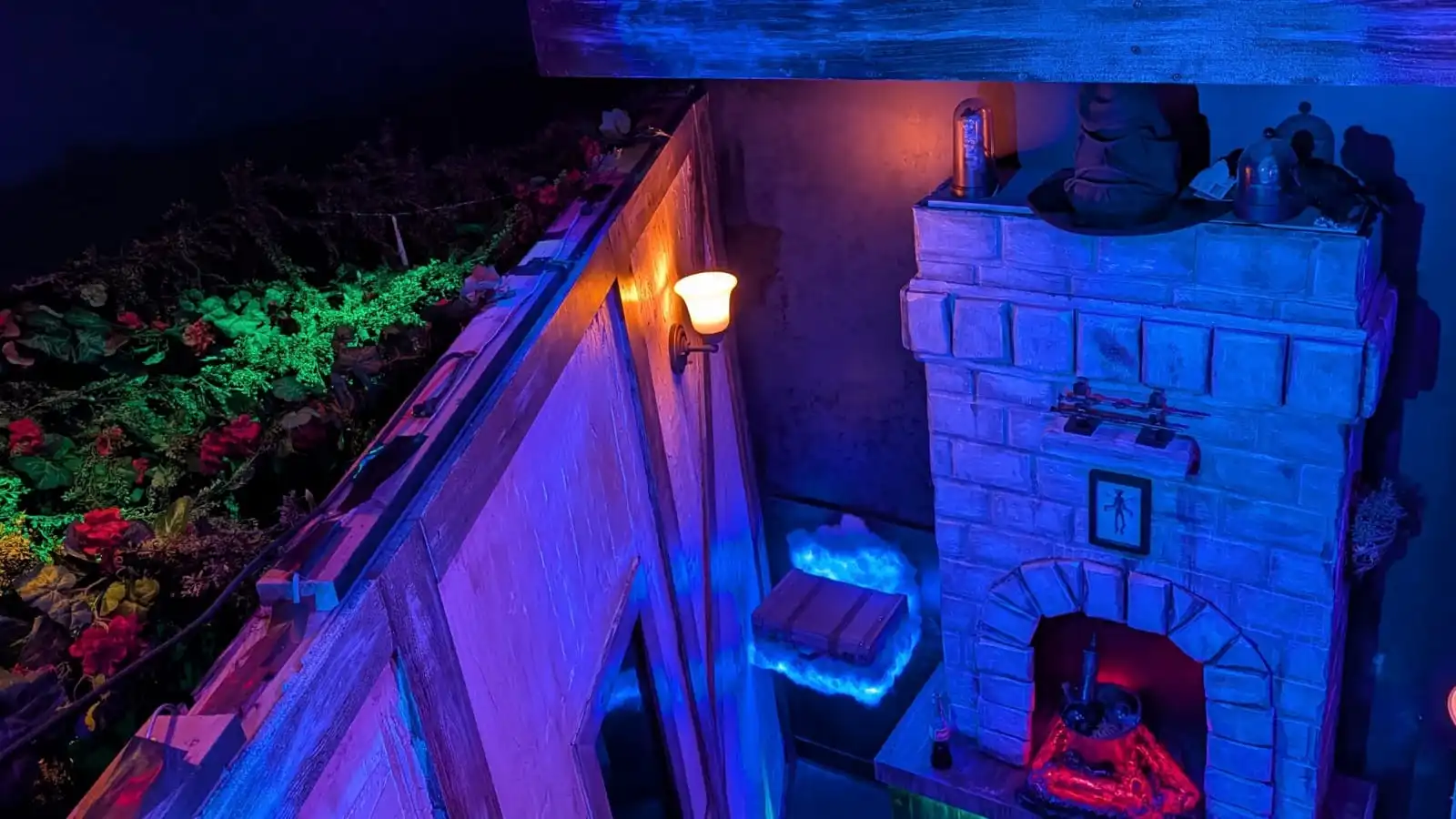
Over the past decade, escape rooms have grown from simple puzzle games into one of the most immersive forms of live entertainment in the world. What once began as rooms with combination locks and hidden clues has rapidly evolved into something far more ambitious.
In 2026, the most successful modern escape rooms are no longer just puzzle challenges—they are fully immersive environments designed to feel like stepping inside a movie set.
Across the industry, builders are combining theatrical design, engineering, lighting systems, custom sound design, and storytelling to create experiences that blur the line between attraction, theater, and game.
And for players, the result is unforgettable.
The Early Days of Escape Rooms
When escape rooms first appeared in the United States, many venues focused primarily on puzzles. Rooms often consisted of standard spaces filled with padlocks, hidden keys, and paper clues.
While these early games were fun and innovative at the time, the industry has matured dramatically.
Today, players expect something very different.
Instead of solving puzzles in a typical room, they want to enter a completely different world.
The Rise of Immersive Design
The new generation of escape rooms is built around immersion.
From the moment guests enter the venue, the experience begins.
Fluorescent lights are disappearing. Plain walls are being replaced by hand-built environments. Simple puzzle boxes are giving way to interactive props and theatrical moments.
Modern escape room design now includes elements such as:
• cinematic lighting systems
• DMX-controlled environments
• custom architectural set design
• synchronized soundtracks and voiceovers
• atmospheric scents
• hidden electronics and engineering systems
These features combine to create something much closer to a live film set than a traditional puzzle room.
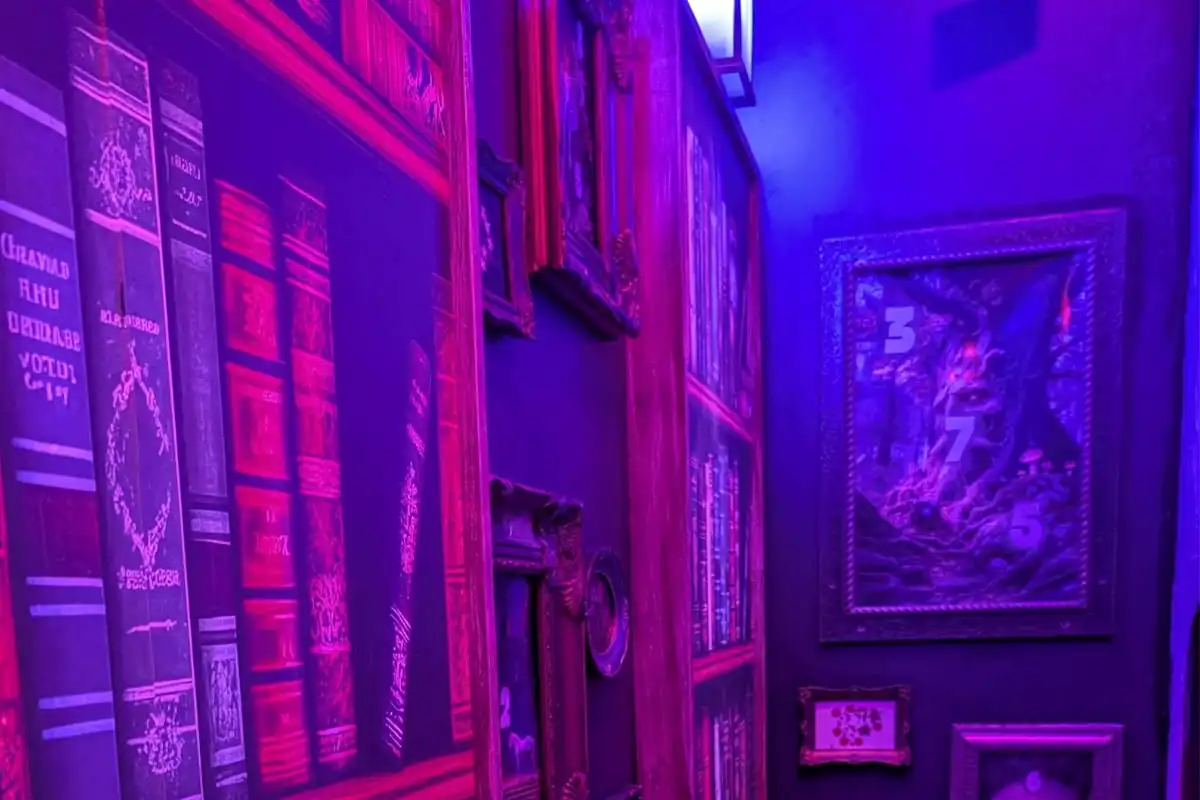
Why Storytelling Matters?
Another major shift in escape room design is the role of storytelling.
The best escape rooms now operate around a central narrative.
Players might be rescuing a missing toymaker, uncovering a wizard’s secret chamber, or attempting to alter the timeline aboard a mysterious train.
Instead of simply solving puzzles, guests are completing a mission.
Each clue, prop, and room transition becomes part of a larger story.
This narrative structure dramatically increases engagement and helps players feel like they are part of an unfolding adventure.
Technology Behind the Modern Escape Room
Behind the scenes, many modern escape rooms rely on sophisticated technology to create seamless experiences.
Hidden sensors, electronic triggers, and lighting systems allow rooms to respond dynamically to player actions.
For example, players might trigger:
• secret doors opening automatically
• dramatic lighting effects
• audio cues revealing story elements
• mechanical devices activating in real time
These technologies allow designers to control pacing and surprise moments in ways that were impossible in early escape room builds.
Why the Industry Is Raising the Bar?
As escape rooms continue to grow in popularity, competition between venues has intensified.
Players are now looking for experiences that feel truly unique.
A simple puzzle room is no longer enough.
The new expectation is an environment that feels immersive from the moment guests arrive.
This shift has pushed many designers to treat escape room construction much like scenic design for film or theater.
The goal is no longer just puzzles.
The goal is transportation into another world.
Huddy’s Escape: Pushing Immersion Forward in Florida
One venue that has embraced this philosophy is Huddy’s Escape.
Located in Ocala and Gainesville, Florida, Huddy’s Escape has become known for building highly immersive environments that combine design, technology, and storytelling for modern escape rooms.
Over the past several years, the company has constructed more than twenty custom escape room experiences, many featuring:
• hand-built scenic environments
• advanced lighting systems
• electronic puzzle engineering
• cinematic sound design
• fully integrated storylines
Each game is designed to feel less like a puzzle room and more like stepping inside a live adventure film.
Guests frequently describe the experience as entering a different world.
The Future of Escape Room Experiences
Looking ahead, the escape room industry is likely to continue evolving toward even deeper levels of immersion.
Designers are experimenting with:
• projection mapping environments
• interactive character performances
• adaptive game systems
• environmental storytelling techniques
As technology and creativity continue to intersect, escape rooms may become one of the most advanced forms of interactive entertainment available.
What began as a simple puzzle challenge has grown into something far more ambitious.
In 2026, the best escape rooms aren’t just games.
They are fully immersive worlds waiting to be explored.
Experience It Yourself
Players interested in experiencing immersive escape room design firsthand can explore the adventures available at Huddy’s Escape.
More information about current games, team-building experiences, and bookings can be found at: